

Commonly Asked Questions About Interior Design in Dubai
Expect many hands-on questions when you plan an interior scheme in Dubai, not least the first time around. How much will it cost, how long is it going to take, and are permits really necessary are among the biggest worries. The queries we hear most from homeowners and tenants across the UAE are gathered here and answered clearly. The numbers here are 2026 ballpark estimates and ranges rather than fixed quotes, so treat them as a planning guide. As far as possible we point to how projects really work in Dubai, from costs and schedules to approvals and choosing a designer. By reading the ones that matter most, you should be left with a realistic understanding of the road ahead.
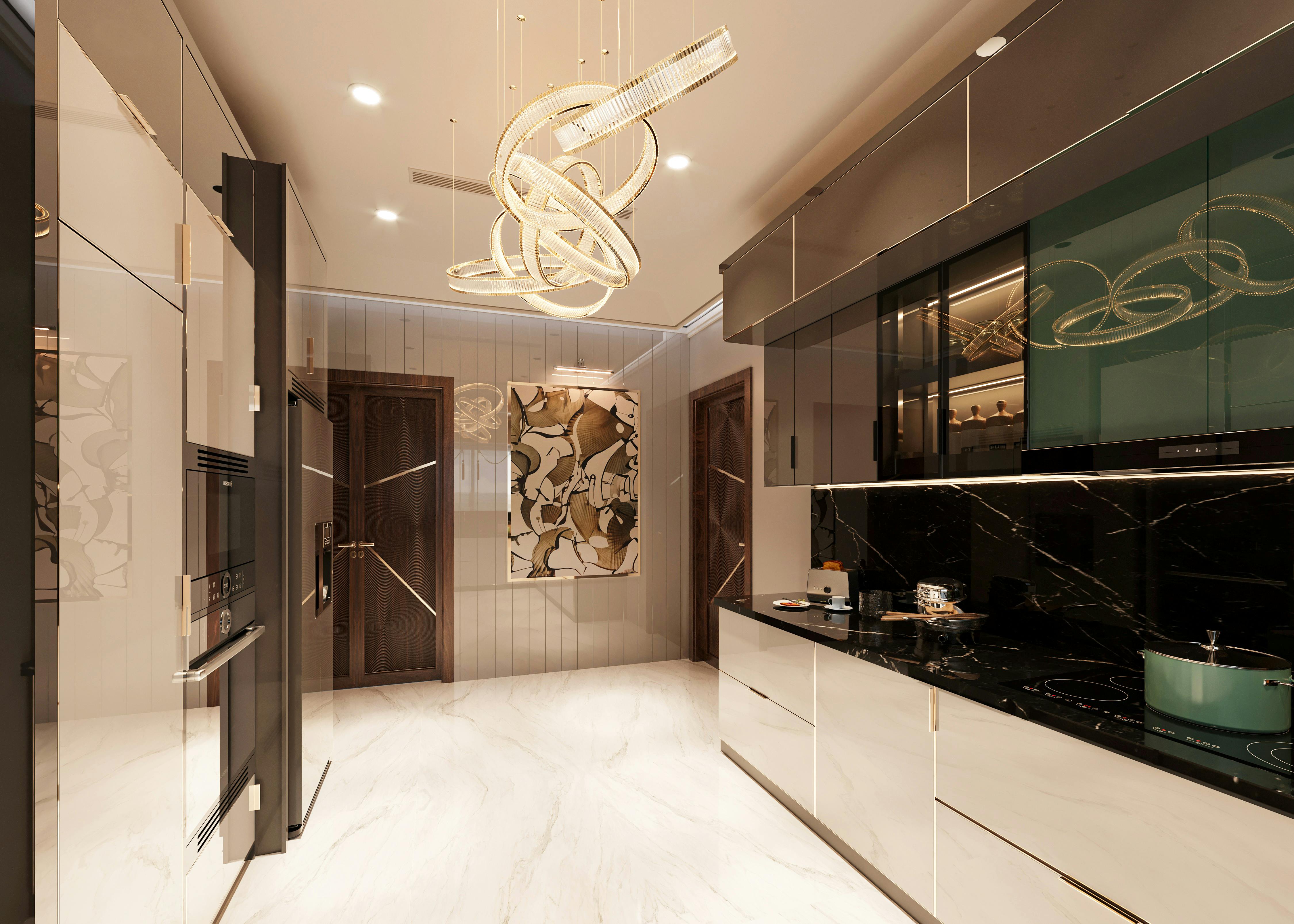
How much should interior design cost in Dubai in 2026?
A few factors set the price: your home’s size, the scope of work, and the standard of finish you want. Turnkey residential interior and fit-out work is typically priced per square foot as a 2026 guide, sitting around AED 75 to AED 250 for standard work and AED 200 to AED 400 for mid-tier schemes. Once custom joinery and imported finishes are involved, luxury villas and penthouses can exceed AED 600 to AED 1,200 per square foot. A budget apartment dubai villa design refresh can total roughly AED 200,000 to AED 340,000, while luxury apartments may exceed AED 800,000 in total-project terms. Design-only fees are typically billed at around 10 to 20 percent of the total budget, or by the square foot. To help with planning, the table that follows captures these typical ranges. Treat every figure here as an estimate, not a firm quotation.
| Project type | Scope | Estimated total for 2026 (AED) |
|---|---|---|
| Apartment | Budget refresh | 200,000 – 340,000 |
| Flat | Mid-range refit | 400,000 – 750,000 |
| House | Mid-range remodel | 250,000 – 600,000 |
| Villa | Premium turnkey | 600,000 – 2,000,000+ |
How long does an interior design project usually take?
The timeline varies with the scale and complexity of the home, though most projects follow a predictable rhythm. A typical Dubai apartment, as a 2026 guide, typically takes around 6 to 10 weeks from commencement to handover. A villa typically takes 10 to 14 weeks, while large luxury homes full of bespoke elements may extend across between 20 and 36 weeks. Inside that window, the concept phase usually takes 2 to 4 weeks, detailed design a further 4 to 8 weeks, and site execution about 4 to 8 weeks. Getting permits and the NOC can tack on 2 to 6 weeks, so never leave them to the last minute. Because most delays come down to slow decisions or shipping hold-ups on imported items, deciding promptly keep things moving. It is always sensible to build a small buffer into your schedule.
Do renovations require approvals or permits?
Yes — almost always, approvals must be obtained before fit-out or renovation work starts. The first step is a No Objection Certificate from your building owner or management company. You next apply for a fit-out permit from the appropriate authority, which for most of Dubai is Dubai Municipality. Because some communities and free zones answer to the Dubai Development Authority or Trakhees instead, it pays to confirm which body governs your address. Dubai Civil Defence must sign off on anything affecting fire and life safety, and utility alterations require DEWA. Standard approvals often are processed in about 3 to 10 working days, as a rough 2026 benchmark. Filing early heads off costly stop-work delays later.
Design-only versus design-and-build: what is the difference?
Two main models exist for delivering an interior project, and which suits you depends on how engaged you want to be. A design-only package covers concept, drawings, material selections, and specifications; from there you hire a separate contractor to do the building. Design-and-build, by contrast, takes care of both design and physical execution under one roof, so you have a single point of accountability. Turnkey delivery is usually smoother and faster because the same team controls both stages, which many busy clients prefer. Design-only can allow more flexibility and competitive tendering, but it demands more coordination on your part. A good number of Dubai studios offer turnkey delivery, managing everything from concept to the final snagging. Choose based on your time, your appetite for coordination, and how much control you want to keep.
Am I allowed to renovate a rented apartment?
You can upgrade a rented home, but the scope is tighter and permission is a must. You will almost always need the landlord’s written consent for structural changes and permanent alterations, along with the building’s usual NOC. Reversible changes are where most renters focus, since they improve a home without breaching the lease. A rental can be transformed with movable pieces such as furniture, rugs, curtains, lighting, and freestanding storage. For flexibility without damage comes from peel-and-stick surfaces and freestanding partitions. Settle upfront what needs to be restored when you move out. The lease and the landlord’s sign-off should always guide any decision before you commit to fixed work.
Which interior design styles are trending in Dubai right now?
Ultra-modern through to richly classical, Dubai homes reflect an unusually wide mix of tastes. In 2026, quiet luxury and warm minimalism are the strongest current, pairing clean lines with natural, tactile materials. In the city’s modern towers, contemporary minimalism is still a favourite, admired for its calm and easy upkeep. In villas, Modern Arabic design stays popular, blending regional heritage — geometric patterns and warm tones — with contemporary comfort. Across bigger villas, classic and neo-classical interiors continue to appeal, giving grandeur and symmetry room to breathe. Through every one of these styles, biophilic touches, smart-home technology, and sustainable materials are increasingly woven in. It is common for homeowners to comfortably mix two styles to suit their own taste and space.
How do I choose the right interior design company?
Picking the right studio is one of the most important decisions in the whole process. Because some firms concentrate on luxury villas while others excel at apartments, offices, or hospitality, begin by matching speciality to your project. There is everything in Dubai, from luxury residential names such as Luxury Antonovich Design, ALGEDRA Interior Design, and CK Architecture Interiors to major fit-out contractors like Depa and Bond Interiors. Roar and Bishop Design by Paul Bishop, both design-led studios, are known for hospitality and branded spaces, while Swiss Bureau Interior Design and Summertown Interiors focus on workplaces. Comb through portfolios for work like yours, then verify the firm handles the scope you need — design-only or turnkey. A good portfolio alone will not do: clear communication, a transparent process, and a written scope matter just as much. Take time to compare a shortlist before committing.
What are the leading interior design trends in 2026?
Through 2026, a few strong trends are steering Dubai interiors, most of them part of a wider move towards comfort and responsibility. Leading are quiet luxury and warm minimalism, which favour understated elegance and natural materials over obvious display. Sustainability is a leading theme, supported by the UAE’s Net Zero 2050 goal and updated Dubai fit-out guidelines that encourage eco-friendly materials. For a calmer home, biophilic design brings greenery, natural light, and wellness features indoors. More and more, smart-home and smart-MEP integration is standard, handling lighting, climate, and security with ease. Because many people now work and relax at home, flexible, multifunctional spaces have become the norm. The common thread is homes that are calmer, greener, and more adaptable.
How can I stay on budget?
At heart, keeping costs in check comes down to planning well and making decisions early. Fix a realistic overall figure and park about 10 to 15 percent aside as a contingency for surprises. Ahead of any work, agree a detailed scope and specification in writing so everyone is on the same page. Late changes are among the top causes of overspending, so avoid changing your mind once execution begins. To avoid delays that quietly add cost, order long-lead and imported items early. Spend on what you use daily — kitchens, bathrooms, and lighting — and cut back on the less critical areas, keeping honest conversations about money with your designer throughout.
Should I hire a professional for a small apartment?
A lot of people assume designers are only for large villas, but professional help can add real value even in a compact apartment. With smart layouts, built-in storage, and well-scaled furniture, a good designer stretches limited space. They also help you sidestep costly mistakes, such as buying pieces that do not fit or finishes that fail in Dubai’s climate. Their supplier relationships can secure better materials and sometimes better prices than a first-time client would find alone. A few hours of consultation can improve your plan and pay for itself over time. Ultimately it hinges on your confidence, your time, and how much is at stake.
